

Non-Comedogenic Skincare That Actually Works for Breakouts
Non-comedogenic means a product is formulated to avoid blocking pores, which is the mechanism behind most whiteheads, blackheads, and stubborn body breakouts. There’s a catch worth knowing before you shop: no agency defines or verifies that claim, so two products both labeled “non-comedogenic” can behave very differently on your skin. The one rule that holds up regardless: reach for lightweight, water-based gels or lotions built around humectants, then patch-test anything new for about a week before it touches your whole face.
- Non-comedogenic = formulated to minimize pore blockage, not a guaranteed outcome
- No FDA or industry body regulates or tests the term
- Shopping rule: prioritize gel/lotion textures with humectants over heavy creams and oils
- Patch-test every new product before full use
- Product-specific picks from Splendoraskincare’s own lineup appear further down
Key Takeaways
Non-comedogenic skincare works best when you treat the label as a hint, not a promise, and choose lightweight, humectant-based formulas verified through your own patch test.
| Point | Details |
|---|---|
| No regulated standard exists | The FDA does not define or test “non-comedogenic,” so ingredient lists matter more than the badge. |
| Prioritize texture and humectants | Gel and lotion formulas with glycerin, hyaluronic acid, or niacinamide beat heavy creams for acne-prone skin. |
| Avoid known comedogenic ingredients | Coconut oil, cocoa butter, and isopropyl myristate rank high on comedogenicity scales and are worth skipping. |
| Introduce products one at a time | Wait two to three weeks per new product and patch-test before full-face use to isolate reactions. |
| Splendoraskincare’s lineup fits this approach | Products like the Facial Skin Moisturizing Lotion Delicate Skin and Collagen Sunscreen use lightweight, humectant-driven formulas built for this exact routine. |
Table of Contents
- What Non-Comedogenic Actually Means (and Why the Label Can Mislead You)
- Ingredients to Look For and Ingredients to Avoid
- How Do You Choose Non-Comedogenic Products by Category?
- A Simple AM and PM Non-Comedogenic Routine
- How Do You Patch Test a New Skincare Product?
- Which Splendoraskincare Products Fit This Non-Comedogenic Approach?
- Reading Labels: Oil-Free, Fragrance-Free, and Other Claims That Matter More
- Which Non-Comedogenic Products Fit Different Skin Types and Budgets?
- Adapting Your Routine to Acne Severity and Sensitivity
- How Should You Introduce New Skincare Products Gradually?
- Do Diet and Hygiene Habits Affect Non-Comedogenic Skincare Results?
- Where Splendoraskincare Fits Into Your Routine
- Frequently Asked Questions
- Sources
What Non-Comedogenic Actually Means (and Why the Label Can Mislead You)
At the ingredient level, comedones form when sebum, dead skin cells, and certain oils or waxes combine to plug a hair follicle. Dermatology research on comedone formation shows that specific ingredients interact with skin in ways that either clog or clear that follicular opening, which is why some oils are riskier than others regardless of what the front label promises.
Here’s the part most shoppers never learn: the FDA regulates ingredient labeling on cosmetics but has no standard definition or test for “non-comedogenic.” A brand can print that word on a bottle without submitting to any third-party pore-clogging test. That’s not necessarily deceptive, it’s just unregulated marketing language, and it means the badge is a starting hint, not a verdict.
Dermatologists generally treat comedogenicity as a spectrum rather than a switch. Older cosmetic-science research ranked ingredients on a 0 to 5 comedogenicity scale using rabbit-ear and human-back testing, and while that scale has real limitations (it doesn’t account for concentration or how ingredients behave in a finished formula), it explains why ingredient-level thinking beats trusting a single label claim. Healthline’s breakdown of the term makes the same point: read the ingredient list, not just the front of the bottle.
Ingredients to Look For and Ingredients to Avoid
Skip the guesswork and learn the short list of names that actually predict how a product behaves on acne-prone skin.
Low-risk, generally helpful ingredients:
- Glycerin and hyaluronic acid (humectants that pull water into skin without residue)
- Niacinamide (calms redness, supports the skin barrier, rarely clogs pores)
- Dimethicone and other silicones (create a breathable barrier rather than sitting greasy on top)
Active ingredients for acne, used with caution:
- Salicylic acid (a BHA that dissolves oil inside the pore, best started at low frequency)
- Benzoyl peroxide (kills acne-causing bacteria, but can bleach fabric and dry out skin fast)
- Azelaic acid (gentler than the two above, works well for sensitive or reactive skin)
Ingredients to avoid or use cautiously:
- Coconut oil and cocoa butter (consistently rank high on comedogenicity scales)
- Isopropyl myristate and similar esters (common in “moisturizing” formulas, notorious pore cloggers)
- Heavy lanolins and mineral waxes (fine for very dry, non-acne-prone skin, risky for everyone else)
Pro Tip: Flip the bottle over before you buy. If coconut oil, isopropyl myristate, or cocoa butter shows up in the first five ingredients, that “non-comedogenic” front label is doing a lot of heavy lifting it may not deserve.
One detail worth remembering: concentration matters as much as presence. A trace amount of a mildly comedogenic ingredient near the bottom of an ingredient list behaves very differently than the same ingredient sitting second or third from the top.
How Do You Choose Non-Comedogenic Products by Category?
Ingredient knowledge only helps once you know how it applies to each step in your routine. Here’s how to shop category by category.
- Cleansers — look for gentle, sulfate-free surfactants that clean without stripping. Cleanse twice daily if you’re oily and acne-prone; once at night plus a morning water rinse if you’re dry or sensitive. A foaming cleanser built for makeup removal works well for evening use when you need to clear sunscreen and buildup.
- Moisturizers — gel-creams suit oily and acne-prone skin; richer lotions suit dry or sensitive types, as long as they’re built on humectants rather than heavy oils. Byrdie’s expert-backed roundup of non-comedogenic moisturizers consistently favors lightweight, humectant-forward formulas over thick creams, regardless of skin type.
- Sunscreen — this is where most breakouts start. Choose non-greasy, “non-acnegenic” labeled formulas. Mineral filters (zinc oxide, titanium dioxide) sit on skin and can feel chalky; chemical filters absorb faster and often feel lighter, but can irritate sensitive skin. Test both.
- Serums and actives — introduce one active at a time. Retinoids and AHAs work best at night; vitamin C and niacinamide-based serums pair well in the morning.
- Spot treatments — use targeted, higher-concentration benzoyl peroxide or salicylic acid only on active blemishes, not across your whole face, to avoid unnecessary dryness.
Pro Tip: If a product stings within 60 seconds of applying it, that’s irritation, not “purging.” Rinse it off and downgrade to a gentler version of the same active.
A Simple AM and PM Non-Comedogenic Routine
You don’t need ten steps to see results. You need the right four or five, applied in the right order.
Morning routine:
- Gentle cleanser (or just a water rinse if your skin is dry and sensitive)
- Lightweight serum (vitamin C or niacinamide)
- Non-comedogenic moisturizer if needed
- Sunscreen, always last
Evening routine:
- Cleanse to remove sunscreen, oil, and debris
- Apply your active (retinoid, salicylic acid, or azelaic acid), waiting 20 to 30 minutes after cleansing if skin is sensitive
- Follow with a hydrating moisturizer to buffer any dryness
Layering follows one simple rule: thinnest, most watery textures go on first; thicker creams and oils go last. Actives need patience. Start retinoids and exfoliating acids two to three nights a week, not nightly, and give your skin two weeks before judging whether it’s working. Oily, acne-prone skin can usually handle daily active use once tolerance builds; dry or sensitive skin often does better capping actives at two to three nights weekly indefinitely, not just during an introductory phase.
How Do You Patch Test a New Skincare Product?
A five-minute check now saves you a two-week breakout later.
- Apply a small amount behind your ear or on your inner forearm, not your face
- Wait 24 to 48 hours before checking for redness, itching, or bumps
- If skin looks clear, apply to a small area of your jawline for another 3 to 5 days before going all-in
- Watch for the difference between “purging” (small, fast-clearing breakouts from increased cell turnover, usually from retinoids or acids) and true comedone formation (new, deeper bumps appearing in areas you don’t normally break out)
- If irritation, cystic bumps, or a rash spreads beyond the test zone, stop and consult a dermatologist
Dermatology guidance consistently frames individual response as the real variable here. Patch testing isn’t optional caution, it’s the only reliable way to know how your skin responds, since comedogenicity data comes from average results, not your specific face.
Which Splendoraskincare Products Fit This Non-Comedogenic Approach?
Splendoraskincare built its lineup around the same principle this guide keeps repeating: lightweight textures, humectant-driven hydration, and clean formulas without artificial filler oils.
- The Facial Skin Moisturizing Lotion Delicate Skin uses a lotion texture rather than a heavy cream, which matches the humectant-first guidance above and suits reactive or breakout-prone skin that still needs hydration.
- Collagen Sunscreen is formulated to sit lightly rather than greasy, which matters most in your morning routine, since sunscreen residue is one of the most common hidden causes of jawline and forehead breakouts.
- Smooth Skin Serum works as a hydrating layer under moisturizer at night, softening texture without introducing the heavy oils this guide flags as risky.
Pro Tip: Start with just the moisturizer and sunscreen for the first two weeks. Add the serum only once you’ve confirmed your skin tolerates the base routine, patch-testing each new addition first.
Reading Labels: Oil-Free, Fragrance-Free, and Other Claims That Matter More
“Non-comedogenic” rarely travels alone on a label, and the words next to it often tell you more than the term itself.
Oil-free means the formula contains no added botanical or mineral oils, which is useful for very oily skin but doesn’t automatically mean pore-safe. Some oil-free formulas still contain comedogenic esters or silicones that behave badly on certain skin types.
Fragrance-free matters most for sensitive skin, since synthetic fragrance is one of the top triggers for contact irritation and can make breakouts look worse than they are by adding redness on top. Note the difference from “unscented,” which sometimes means a masking fragrance was added to cancel out other scents, ironically introducing more fragrance compounds, not fewer.
Non-acnegenic is a related but distinct claim, usually referring to a product’s effect on inflammation and bacterial activity rather than just pore-clogging potential; it shows up most often on sunscreen labels.
Hypoallergenic has the same regulatory gap as non-comedogenic: no standardized test backs it up, so treat it as a soft signal, not a guarantee.
The practical move is to stack these claims against the actual ingredient list rather than trusting any single word. A sunscreen labeled oil-free, fragrance-free, and non-comedogenic, with a clean ingredient list to match, is a far more reliable bet than one carrying just a single reassuring word on the front.
Which Non-Comedogenic Products Fit Different Skin Types and Budgets?

Skin type and budget both shape what “non-comedogenic” should mean for you specifically.
For oily, acne-prone skin, prioritize gel textures, mattifying finishes, and salicylic acid as your go-to active. Avoid anything marketed as “extra moisturizing” without checking the ingredient list first, since that phrase often signals added oils.
For dry, acne-prone skin (a combination that trips up a lot of shoppers because they assume dryness rules out breakouts), look for humectant-rich lotions rather than gels, and lean on hyaluronic acid and ceramides instead of heavier plant oils.
For sensitive, reactive skin, fragrance-free and minimal-ingredient formulas matter more than any acne-specific claim. Azelaic acid tends to be better tolerated than benzoyl peroxide here.
Budget doesn’t correlate with comedogenicity. A $12 drugstore gel moisturizer built on glycerin and dimethicone can outperform a $60 cream loaded with cocoa butter and heavy esters. Retailers including Ulta and Sephora now let shoppers filter specifically by non-comedogenic labeling and skin concern, a sign of how mainstream this shopping criterion has become across every price tier. Use those filters as a starting search, then apply the ingredient checks from earlier sections before buying.
Adapting Your Routine to Acne Severity and Sensitivity
Mild, occasional breakouts call for a light touch: a gentle cleanser, one non-comedogenic moisturizer, sunscreen, and maybe a low-strength salicylic acid two to three times a week. That’s often enough.
Moderate, persistent acne usually needs a dedicated active layered consistently, not occasionally. This is where salicylic acid or benzoyl peroxide spot treatments combined with a barrier-supporting moisturizer (something with niacinamide or ceramides) tend to outperform switching products every few weeks hoping for a faster fix.
Severe or cystic acne sits outside what any over-the-counter routine reliably solves. The American Academy of Dermatology recommends professional evaluation at this stage, since cystic acne often responds to prescription treatments that address hormonal or bacterial factors no topical product touches.
Sensitivity changes the math further. If your skin flares at fragrance, alcohol, or high concentrations of actives, drop to half-strength versions and extend the gap between application days, even if your acne severity would otherwise call for a stronger approach.
How Should You Introduce New Skincare Products Gradually?
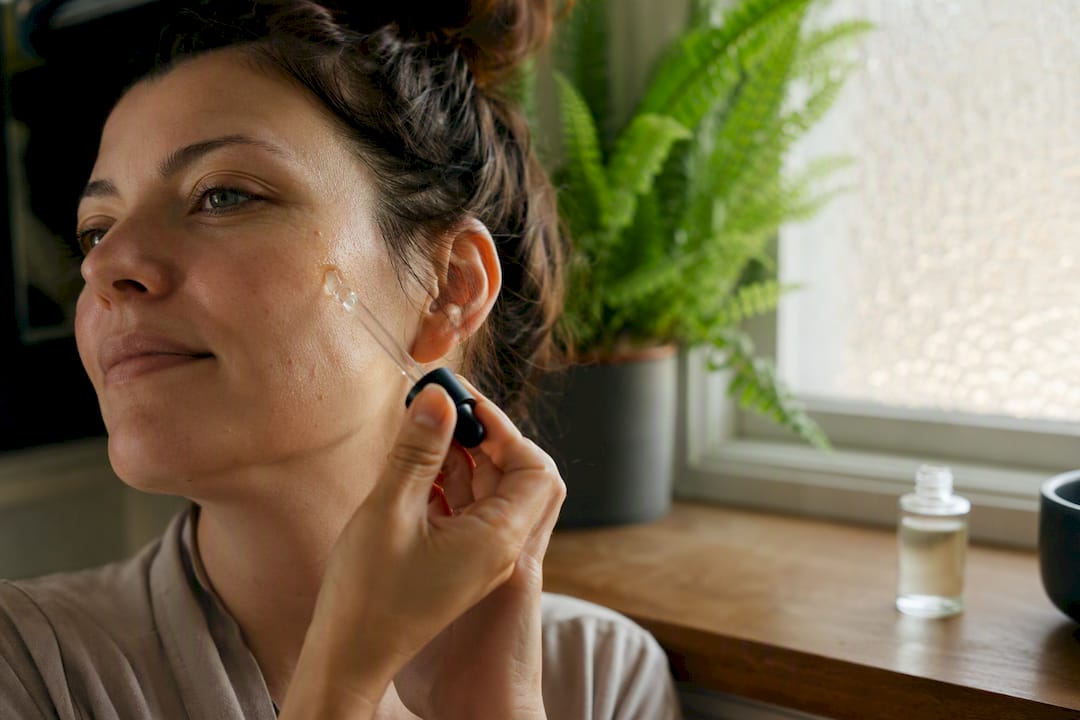
Introduce exactly one new product at a time, and give it a full two to three weeks before judging results.
Start with a lower frequency than the label suggests. If a serum says nightly, start at three nights a week. If a cleanser says twice daily, start once and add the second wash after a week if skin tolerates it fine.
Keep every other product in your routine unchanged while you test the new one. This is the only way to know which product caused a reaction if one shows up, and it’s the single most skipped step among people who introduce three new products in the same week and then can’t identify what caused the flare.
Watch for a predictable pattern: mild tingling in the first few uses of an active is common and usually fades; new comedones appearing in areas you don’t normally break out is not, and that’s your signal to stop.
Do Diet and Hygiene Habits Affect Non-Comedogenic Skincare Results?
Skincare products are one input among several, and the AAD lists diet among the factors researchers associate with acne, alongside topical and hormonal contributors. High-glycemic foods and dairy show up most often in that research as potential aggravators, though individual response varies enough that no single diet rule applies universally.
Hygiene habits matter just as much as any product choice. Pillowcases, phone screens, and hands transfer oil and bacteria back onto skin daily, undoing careful product selection if left unchecked. Washing pillowcases weekly and wiping down phone screens are two of the lowest-effort, highest-payoff habits in this entire guide.
Sweat is a gray area worth clarifying: sweat itself doesn’t clog pores, but leaving sweat mixed with sunscreen or makeup on skin for hours does. Rinse promptly after a workout rather than skipping it because you’ll shower later anyway.
A Practical Note From Cyril
The biggest mistake I see in non-comedogenic shopping is treating the label as a finish line instead of a starting point. Splendoraskincare’s approach leans on texture and humectants because that’s what actually predicts skin behavior, not marketing copy. Balance matters most: over-drying acne-prone skin backfires by triggering more oil production. And if you’re dealing with cystic or severe acne, please see a dermatologist rather than routine-hopping for months.
Where Splendoraskincare Fits Into Your Routine
Splendoraskincare exists for exactly the shopper this guide describes: someone tired of guessing which “non-comedogenic” claim to trust and ready for a small set of clean, lightweight products instead of a ten-step routine full of question marks.
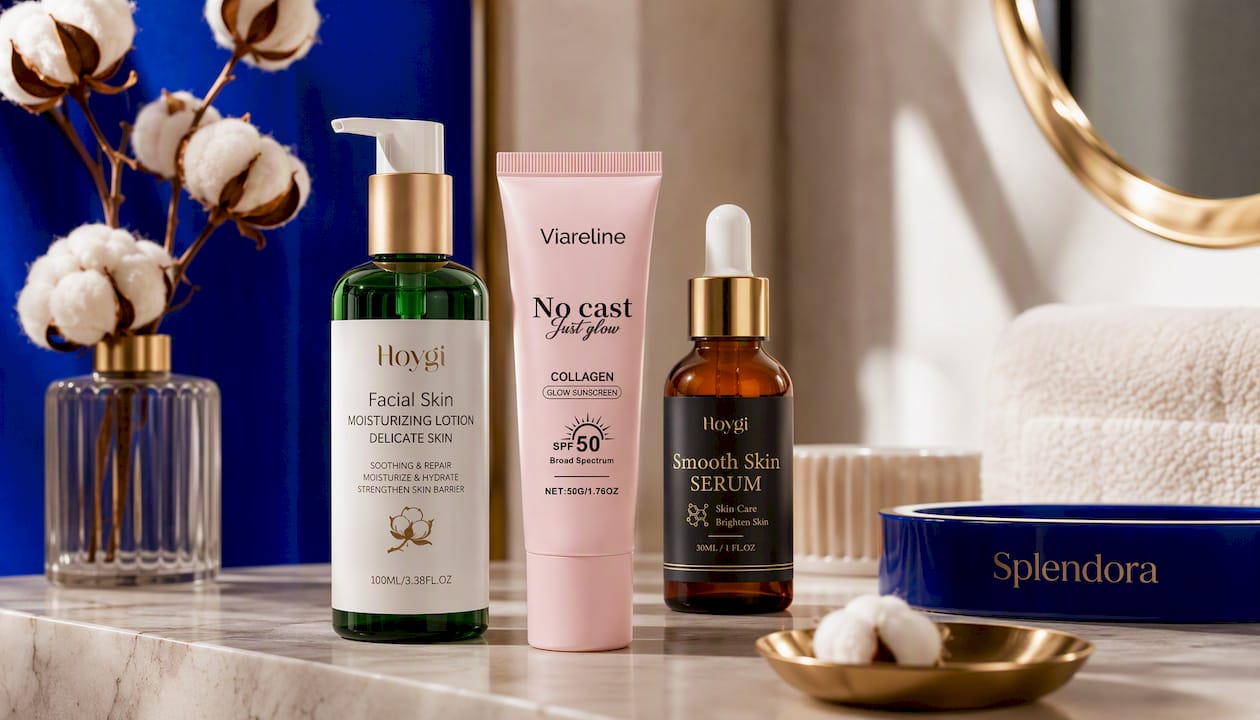
Every formula skips the heavy oils and questionable esters covered earlier in favor of humectant-driven textures, and the lineup is cruelty-free, vegan, and gluten-free from end to end, so you’re not cross-checking ingredient lists against multiple brand policies. The Facial Skin Moisturizing Lotion Delicate Skin works as the hydration base this article recommends for reactive or breakout-prone skin, and pairing it with Collagen Sunscreen covers your morning routine without the greasy finish that undoes so many otherwise-good skincare plans. If you want a full sequence rather than piecing one together, the 5-step routine using cleanser, toner, serum, and moisturizer lays out the order for you. Start with one product, patch-test it for a week, and build from there.
Frequently Asked Questions
Is non-comedogenic the same as oil-free? No. Oil-free means no added oils, while non-comedogenic refers to a product’s overall likelihood of clogging pores, which depends on the full ingredient list, not just the presence or absence of oil.
Can non-comedogenic products still cause breakouts? Yes, since the term isn’t independently tested or regulated. Individual skin response, formula concentration, and other ingredients in the same product all affect the outcome.
How long should I patch test a new non-comedogenic product? Give it 24 to 48 hours on a small area like your inner forearm, then a few more days on your jawline before applying it to your entire face.
Are natural oils always comedogenic? No, but several common ones, including coconut oil and cocoa butter, rank high on comedogenicity scales, while others like squalane rank low. Check the specific oil rather than assuming based on “natural.”
Is non-comedogenic makeup safe for sensitive skin? Often, but pair the non-comedogenic claim with fragrance-free and check the ingredient list for known irritants, since sensitive skin reacts to more than just pore-clogging potential.
Sources
NCBI on comedone formation; FDA cosmetic labeling; AAD on acne causes; Healthline on non-comedogenic products.
- FDA — Cosmetic ingredients and labeling (regulatory context)
- American Academy of Dermatology — Acne causes and topical treatment guidance
- Healthline — What non-comedogenic means and ingredient lists
- Byrdie — Best non-comedogenic moisturizers (expert-backed guide)