

Seal or Shine: When to Use Lip Oil or Balm
Reach for a balm when your lips are cracked, peeling, or exposed to wind and cold, since its waxy base seals in moisture and speeds healing. Reach for an oil when your lips just feel dry or dull and you want shine without the heavy feel. Most people, including the team behind Splendora Skincare, end up using both, layering balm underneath for repair and oil on top for gloss.
TL;DR:
- Lip balm provides a long-lasting, protective barrier that is ideal for severe chapping caused by wind, cold, or dryness, especially overnight.
- Lip oil offers light conditioning and shine suitable for daily, mild dryness, with shorter wear time and easier reapplication.
- When layering, apply balm first to seal in moisture, then add lip oil on top for gloss and subtle conditioning.
- Products with occlusives like petrolatum or lanolin are best for protection, while oils with squalane or jojoba are better for daily comfort and appearance.
- Fragrance, menthol, and camphor can irritate sensitive lips; always check labels for ingredients if irritation occurs or for sun protection, as gloss alone does not provide SPF.
Table of Contents
- Lip Oil vs. Balm: What’s the Real Difference?
- What Is Lip Balm and How Does It Work?
- When Should You Reach for Lip Balm?
- What Is Lip Oil and How Does It Work?
- Where Lip Oil Wins: Daily Comfort and Shine
- Lip Oil vs. Balm: A Side-by-Side Comparison
- How Do You Choose Between Lip Oil and Balm?
- How to Layer Balm and Oil for Best Results
- Are There Any Safety Concerns With Lip Oil or Balm?
- Where Splendora Skincare Fits Into This Comparison
- The Real Trade-Off Nobody Talks About Enough
- Ready to Build Your Lip Routine?
- Sources
- FAQ
Lip Oil vs. Balm: What’s the Real Difference?
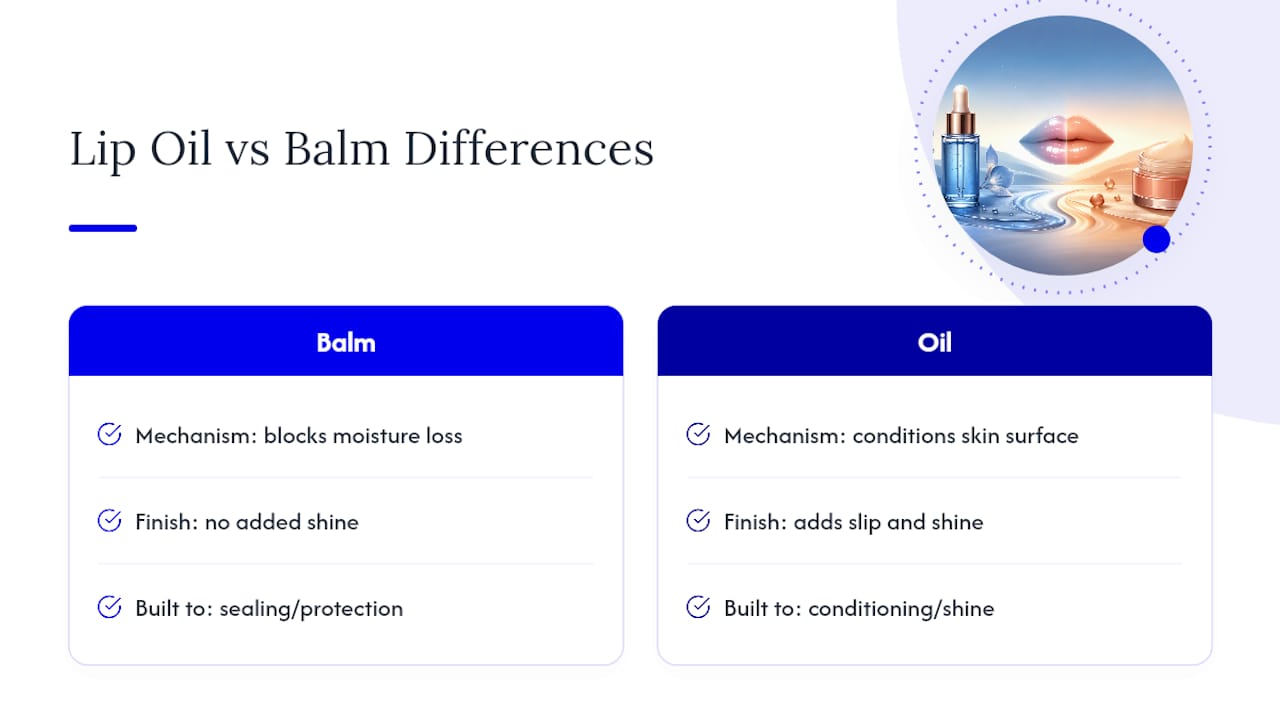
Lip balm and lip oil solve the same problem, dry or damaged lips, through opposite mechanisms. Balm works by blocking moisture loss from the outside in. Oil works by conditioning the skin’s surface and adding slip and shine. That single distinction, sealing versus conditioning, explains almost every other difference between the two: how they feel, how long they last, and what job each one is actually built to do. It also explains why so many beauty explainers frame this as a hydration-versus-protection question rather than a simple popularity contest between formats.
What Is Lip Balm and How Does It Work?
Lip balm is a solid or semi-solid product built from waxes, butters, and occlusive agents like petrolatum or lanolin. These ingredients don’t add moisture so much as trap the moisture already in your skin, forming a physical barrier that slows water loss and shields lips from wind, cold, and dry air.
That barrier effect is why balm is the go-to for genuinely chapped lips: it works like plastic wrap over a wound, not a drink of water.
Common formats include:
- Stick balms for quick, no-mess application
- Pot or jar balms for thicker, more emollient formulas
- Squeeze tubes for a softer, more fluid texture
- SPF-infused balms for daytime sun protection on top of moisture retention
When Should You Reach for Lip Balm?
Balm earns its place overnight and outdoors. A thick layer before bed gives occlusives hours to work uninterrupted, which is often why lips feel noticeably better by morning after a bad chapping episode. Wind, cold, and low humidity all strip moisture faster than your lips can replace it, and a wax-based barrier is the most direct countermeasure.
Reach for balm when:
- Lips are visibly cracked, flaking, or painful to the touch
- You’ll be outdoors in wind, cold, or dry heat for extended periods
- You want overnight repair rather than a daytime cosmetic finish
Pro Tip: If your lips sting or burn after applying a balm, stop using it. That’s a sign of an irritant reaction, often from fragrance, camphor, or menthol, not a sign the product is “working.”
Skip anything with added fragrance or menthol if your lips are already cracked or sensitive. Those ingredients can create a short burst of tingly relief while quietly extending the irritation cycle underneath.
What Is Lip Oil and How Does It Work?
Lip oil is a lightweight, fluid formula built from plant oils and esters like jojoba, castor oil, and squalane. Instead of sealing moisture in, these ingredients condition the surface layer of your lips directly, softening rough texture and adding a glossy, wet-look finish.
Beauty editors generally describe lip oil as a skincare-makeup hybrid, nourishing like a treatment but finishing like a gloss. Castor oil shows up often because it’s naturally viscous and shiny, while squalane and lighter esters soften roughness without the tacky or waxy feel some balms leave behind.
Typical formats include:
- Doe-foot or wand applicators, similar to lip gloss packaging
- Roller-ball tubes for a cooler, more controlled application
- Tinted versions that add sheer color along with shine
Where Lip Oil Wins: Daily Comfort and Shine
Lip oil is built for the days your lips are just a little dry, not cracked. It softens flaky texture, adds noticeable shine, and feels comfortable enough to reapply throughout the day without that heavy, coated sensation some balms leave behind.
The trade-off is sealing power. Oil doesn’t form the same continuous barrier a wax-based balm does, so it’s a weaker choice for lips that are already broken or bleeding.
Good fits for lip oil:
- Everyday hydration when lips feel merely dry, not damaged
- Layering under or over makeup for a glossy finish
- Frequent reapplication throughout the day or evening, since the light texture makes touch-ups easy
- Situations where you want visible shine, not just relief
Lip Oil vs. Balm: A Side-by-Side Comparison
The two formats diverge across nearly every dimension a shopper actually cares about. Practical comparisons consistently show balm winning on protection and oil winning on everyday feel.
| Dimension | Lip Balm | Lip Oil |
|---|---|---|
| Texture & feel | Thick, waxy, sometimes tacky | Light, fluid, glossy |
| Formulation logic | Occlusive: waxes, butters, petrolatum | Emollient: plant oils, esters like squalane |
| Finish | Matte to satin | High shine, wet look |
| Longevity | Longer barrier effect, fewer reapplications | Shorter wear, needs frequent touch-ups |
| Best for | Chapped, cracked, or wind-exposed lips | Daily comfort, cosmetic shine, layering |
| Packaging | Stick, pot, or tube | Wand, roller-ball, or doe-foot applicator |
A few points worth pulling out of that table:
- Balm’s thicker texture is a direct result of its wax content, not a formulation accident. It’s built to sit on top of your skin rather than sink in.
- Oil’s shorter wear time isn’t a flaw. It’s the same lightness that makes it comfortable enough to reapply without feeling overdone.
- Packaging differences aren’t cosmetic either: wand applicators support quick touch-ups, while stick and pot formats favor deliberate, heavier coverage.
How Do You Choose Between Lip Oil and Balm?
Run through this quick decision flow before you buy either one:
- Check the severity of dryness first. Visible cracking or peeling points you toward balm; a merely dry, dull feeling points toward oil.
- Consider your exposure. Long stretches outdoors in wind or cold call for balm’s sealing barrier over oil’s lighter finish.
- Decide how much shine you want. If you want a glossy, cosmetic finish along with hydration, oil is the better daily pick.
- Read the label for occlusives. Petrolatum and lanolin signal strong sealing power, useful for serious chapping but potentially heavy for daily wear.
- Read the label for conditioning agents. Squalane and jojoba signal a lighter, non-greasy feel, common in lip oils marketed for everyday hydration.
- Flag fragrance if you’re sensitive. Fragrance-free or “bland” formulas are the safer default for anyone prone to irritation or allergic reactions.
If you’re shopping for a hand and foot balm alongside your lip routine, the same occlusive logic applies. A heavier, solid moisturizing stick works the same way on rough elbows or heels as balm does on lips.
How to Layer Balm and Oil for Best Results
Order matters more than most people realize. Applying oil first and balm second wastes the oil’s conditioning benefit, since the thicker balm layer blocks it from doing much of anything.
- Daytime, mild dryness: Apply lip oil alone for shine and light conditioning.
- Daytime, high exposure: Apply balm first to seal moisture in, then oil on top for shine if you want it.
- Nighttime repair: Apply a thicker layer of balm alone and skip the oil, since you want maximum sealing time while you sleep.
- Chapped lips healing: Stick with balm only until cracking resolves, then reintroduce oil for daily maintenance.
Editorial layering guidance backs this order: balm underneath to seal, oil on top to shine.
Pro Tip: Keep lip products in a clean bag or drawer, not loose in a pocket, and avoid double-dipping fingers into pot balms. Bacteria buildup in shared or exposed containers is one of the more overlooked causes of recurring lip irritation.
Are There Any Safety Concerns With Lip Oil or Balm?
Fragrance, camphor, and menthol are the three ingredients most likely to irritate sensitive lips, even though they’re marketed for the tingly “fresh” sensation many people associate with effectiveness. That sensation is often mild irritation, not healing.
Shine or gloss finish never equals sun protection. Only a product explicitly labeled SPF blocks UV rays, so check the label rather than assuming a glossy oil offers any coverage. If chapping persists for more than a couple of weeks despite consistent balm use, that’s worth a conversation with a dermatologist rather than switching products endlessly.
Where Splendora Skincare Fits Into This Comparison
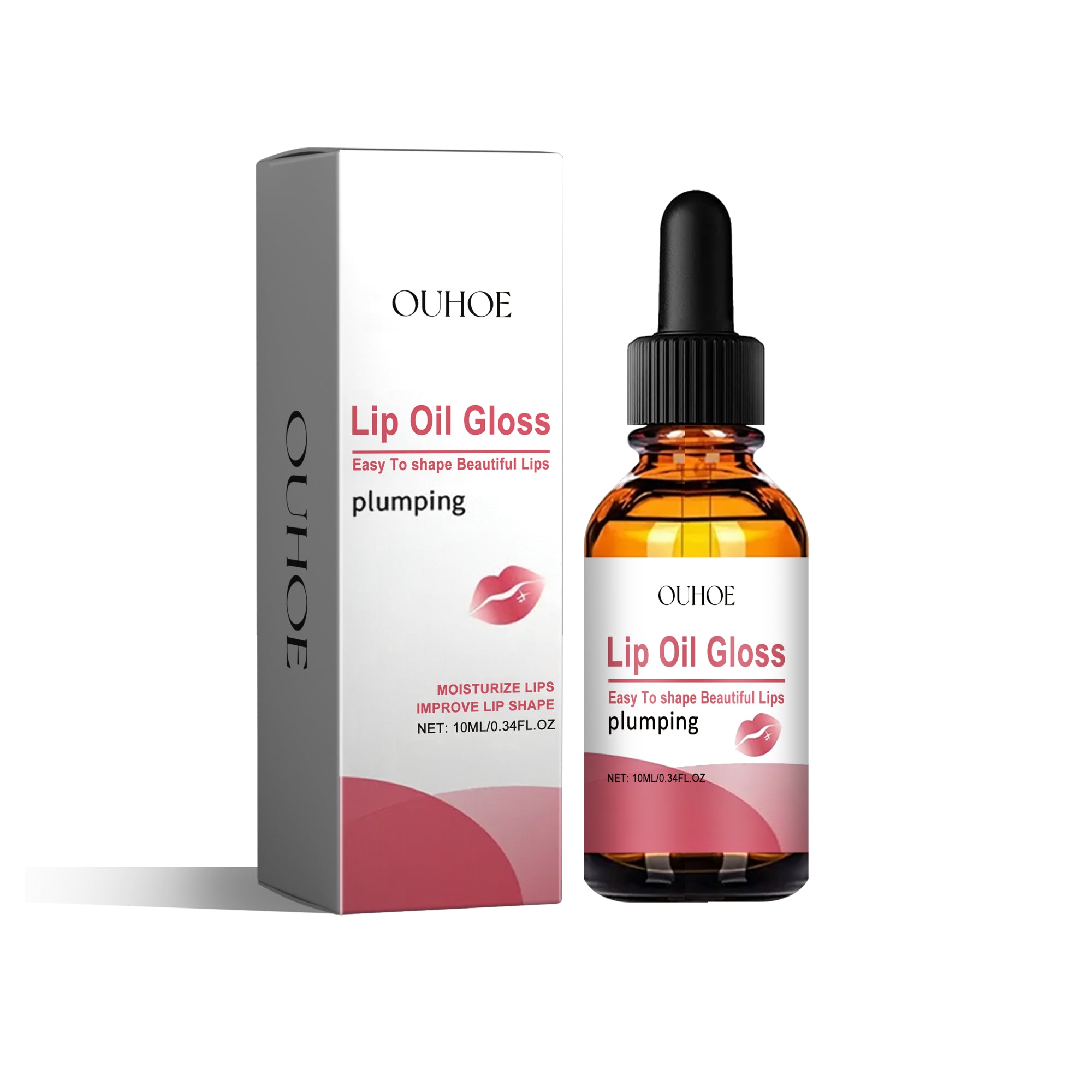
Splendora Skincare builds its lip lineup around the same hydration-versus-protection logic covered above, using cruelty-free, vegan, and gluten-free ingredients and without artificial additives. The Lip Oil Gloss fits the everyday shine-and-condition use case, while the Fruit Lip Oil, Lip Tint, Lip Stain, and Lipstick line covers tinted hydration for anyone who wants color along with conditioning. For heavier repair needs, the 20-30g moisturizing lip product is built for more intensive, balm-style coverage.
The Real Trade-Off Nobody Talks About Enough
Most lip care advice treats this as a popularity contest: oil is trendy, balm is old-fashioned, when the actual decision has nothing to do with trends. It’s about matching a mechanism to a problem. People with genuinely damaged lips who switch to oil because it’s the “in” product often stay stuck in a chapping cycle, because oil was never built to seal a barrier the way wax and petrolatum are.
The bigger blind spot, though, is ingredient literacy. Shoppers scan for “natural” or “hydrating” on a label and skip right past whether a product is occlusive or emollient, which is the detail that actually predicts how it will perform. A fragrance-free balm with lanolin will outperform a beautifully packaged oil on a genuinely cracked lip, every time, regardless of price or branding.
My take: buy based on the problem in front of you, not the format that’s trending. If your lips are cracked, get an occlusive balm and be patient with it overnight. If they’re just dry and dull, oil will do more for how your lips look and feel day to day. And if you’re not sure, layering both, in the right order, costs you nothing but thirty extra seconds.
— Cyril
Ready to Build Your Lip Routine?
Splendora Skincare gives you a direct way to act on the balm-versus-oil decision instead of guessing your way through a drugstore aisle: every formula is cruelty-free, vegan, and gluten-free, with no artificial additives muddying the ingredient list.
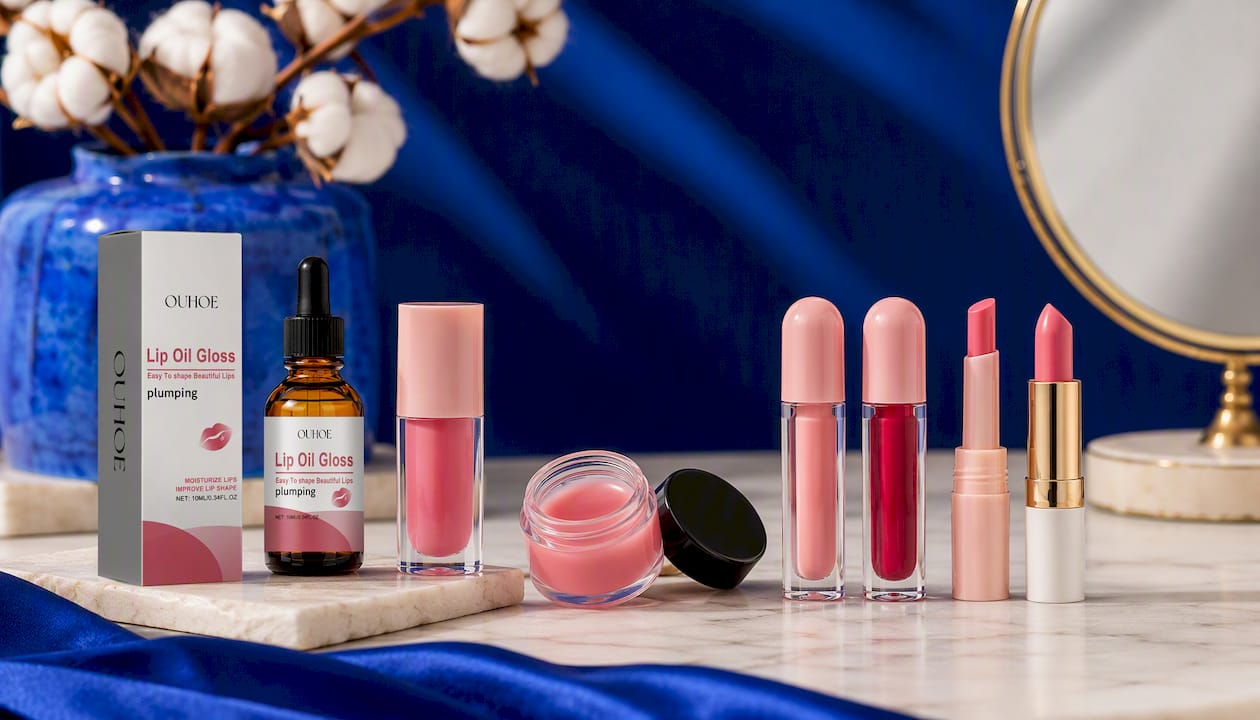
If daily shine and light conditioning are your priority, the Lip Oil Gloss is built exactly for that job. Want a hint of color along with the hydration? The Fruit Lip Oil, Lip Tint, Lip Stain, and Lipstick line covers tinted options without sacrificing conditioning. For lips that need heavier, balm-style repair, the 20-30g moisturizing lip product delivers the deeper occlusive coverage cracked lips actually need. And if you’re building out a fuller routine, a barrier-supporting option like the CeraVe Retinol Serum pairs well with lip care that’s already doing its job.
Browse the full Splendora Skincare lineup to match a product to exactly where your lips are right now, dry, cracked, or just craving some shine, and place your order today.
Sources
- Lip oil vs lip gloss: What’s the difference? — Byrdie
- Lip Balm vs Lip Oil — Sync Beauty encyclopedia
FAQ
Is It Okay to Use Lip Oil Every Day?
Yes, lip oil is generally suited for daily use since it conditions rather than occludes, making it gentle enough for repeated reapplication throughout the day. If you notice increased sensitivity, check the ingredient list for fragrance or essential oils, which are more likely culprits than the base oils themselves.
Can Lip Oil Be Used as Lip Balm?
Lip oil can substitute for balm when your lips are only mildly dry, since both offer some conditioning. But for genuinely chapped or cracked lips, oil lacks the sealing power that wax and petrolatum-based balms provide, so it won’t heal damage as effectively.
Should I Apply Lip Balm or Lip Oil First?
Apply balm first if you’re layering both, since it seals in moisture and creates a base, then add oil on top for shine. This order follows common editorial layering guidance: seal first, shine second.
Is Lip Oil Actually Good for Your Lips?
Yes, lip oil genuinely conditions and softens lips, particularly for everyday dryness rather than severe chapping. Its plant-based oils and esters, like squalane and jojoba, soften rough texture while adding a glossy finish, which is why beauty editors classify it as a skincare-makeup hybrid rather than pure cosmetic product.
What Should I Buy From Splendora for Dry Lips?
For everyday hydration and shine, the Lip Oil Gloss is the closest match. For deeper, balm-style repair on cracked or heavily chapped lips, the 20-30g moisturizing lip product is built for that heavier need. Current pricing for both is listed on the Splendora Skincare site.