

Fix Dry Skin in 5 Steps With a Brand Backed Hydrating Skincare Routine
The most effective hydrating skincare routine for dry or dehydrated skin is simple: cleanse gently, apply a humectant serum to damp skin, seal it with a rich moisturizer, and finish with sunscreen every morning. At night, swap sunscreen for a heavier occlusive or overnight mask. Ceramides and hyaluronic acid do the heavy lifting, and Splendoraskincare’s 5-step routine covers all of it in one kit.
TL;DR:
- Applying a humectant serum to damp skin and sealing it with a ceramide-rich moisturizer maximizes hydration and prevents water loss.
- Using heavier occlusive creams or masks at night helps dry skin repair without overdoing it every evening, especially on flaky patches.
- Applying products in order from thinnest to thickest, waiting 30 to 60 seconds between layers, greatly improves absorption and moisture retention.
- Skipping hot showers and alcohol-based toners prevents stripping lipids and worsening dryness; warm showers under ten minutes are best.
- Consistent, simple routines targeting skin barrier repair and proper layering produce noticeable improvements in hydration within two to four weeks.
Table of Contents
- What Is the Best Hydrating Skincare Routine for Dry Skin?
- Which Ingredients Actually Hydrate Skin?
- How Do You Layer Skincare Products for Maximum Hydration?
- Should Your Morning and Night Routine Actually Be Different?
- Why Does Skin Stay Dry Even With a Good Routine?
- How Splendoraskincare Maps a Hydrating Routine Step by Step
- Cream, Lotion, or Ointment: Which Moisturizer Type Actually Works?
- What I’d Actually Try for 30 Days
- Start Your Hydrating Routine With a Kit Built for It
- Sources
- FAQ
What Is the Best Hydrating Skincare Routine for Dry Skin?
A hydrating skincare routine works in a specific order, and skipping steps or doing them out of sequence is why so many people with dry skin still feel tight and flaky by noon. Here’s the routine broken into morning and evening, with the reasoning behind each step.
Morning routine:
- Rinse or cleanse gently. If skin isn’t oily overnight, a lukewarm water rinse or a splash of hydrating cleanser is enough. Skipping a harsh morning cleanse preserves the lipids your skin barrier built up overnight.
- Apply a hydrating serum to damp skin. A humectant serum with hyaluronic acid or glycerin should go on while your face still holds a bit of moisture from rinsing. This isn’t a nice touch, it’s mechanical. Humectants pull water toward themselves, and damp skin gives them more water to work with, a technique backed by the American Academy of Dermatology’s dry skin guidance.
- Moisturize. Lock the serum in with a cream that contains ceramides. This step matters more for dry skin types than almost anything else in the routine.
- Apply sunscreen. This is non-negotiable in a morning skincare routine, hydrated skin included. UV damage breaks down the same barrier lipids you just worked to protect.
Evening routine:
- Remove makeup and sunscreen. Use a dedicated cleansing balm or foam cleanser rather than trying to strip it off with a stronger daytime cleanser.
- Cleanse again if needed, but keep it gentle. Double cleansing works for makeup wearers, but dry skin types should use the mildest option available for the second pass.
- Apply any treatment serums. If you use a retinoid or exfoliating acid, this is when it happens, not layered under three other actives.
- Moisturize with something richer than your daytime formula. Night is when skin repairs itself, and a heavier cream or an occlusive balm on top gives it the uninterrupted time to do that.
- Add an overnight mask two to three nights a week if skin still feels tight. This isn’t a daily step. Overusing occlusive masks can trap too much on skin that doesn’t need that much sealing every single night.
On exfoliation: once or twice a week is plenty for dry or dehydrated skin. Every extra scrub is a small tear in a barrier that’s already struggling to hold water in. The American Academy of Dermatology and other clinical sources consistently point to gentle, minimal routines over aggressive multi-step regimens for this skin type, a stance also echoed in general dry skin routine guidance from Healthline.
One small technique fix changes outcomes more than any product swap: pat products in rather than rubbing, and always apply moisturizer while skin is still slightly damp, not bone dry. That timing detail alone can be the difference between a moisturizer that “doesn’t work” and one that finally does.
Which Ingredients Actually Hydrate Skin?
Not every ingredient labeled “hydrating” does the same job, and mixing up humectants, emollients, and occlusives is the most common reason a routine looks right on paper but fails on skin.
- Humectants (hyaluronic acid, glycerin) attract water molecules and pull them into the skin’s outer layer. They’re powerful, but in low-humidity environments they can occasionally pull moisture from deeper skin layers if there’s nothing to seal it in.
- Barrier lipids (ceramides, cholesterol, fatty acids) rebuild the structure that keeps water from evaporating out. This is the step most dry-skin routines are missing.
- Occlusives (shea butter, petrolatum, certain plant oils) sit on top of skin and physically block water loss. Best reserved for nighttime or for flaky patches, since they can feel heavy under makeup.
- Ingredients to limit: alcohol denat, high-percentage exfoliating acids used daily, and strong fragrance, all of which strip lipids or irritate an already-compromised barrier.
Pro Tip: Look for a serum with hyaluronic acid, then check that your moisturizer lists ceramides. Using one without the other is like filling a bucket that has a hole in the bottom.
Research on skin barrier function backs this up directly: humectants increase water-holding capacity, but they only produce lasting hydration when paired with barrier lipids and occlusives that reduce transepidermal water loss, according to a review on skin barrier and moisturizing strategies. Skip the pairing and you’re left with a serum that feels great for twenty minutes and then evaporates.
How Do You Layer Skincare Products for Maximum Hydration?
The rule is thinnest to thickest, and it exists for a real reason: heavier products create a seal that thinner, water-based products can’t penetrate if applied afterward. Apply serum before cream, and sunscreen always goes last in the morning.
- Wait about 30 to 60 seconds between a water-based serum and your moisturizer, just enough for the first layer to settle before the next one goes on.
- Pat, don’t rub, especially around the eyes and any flaking patches.
- If you use a facial oil, it goes after moisturizer at night to lock everything underneath it. In the morning, oils under sunscreen can cause pilling, so many people with dry skin skip AM oil entirely.
- In humid climates, lighten your evening moisturizer since the air is already doing some of the job. In dry or cold climates, layer an occlusive on top of your usual cream rather than switching products entirely.
Pro Tip: If your skin pills under makeup, the fix usually isn’t a different foundation, it’s giving your last skincare layer another 60 seconds to absorb before you touch your face again.
Following this order also lines up with the general layering guidance most beauty editors recommend: thinnest textures first, sunscreen last, no exceptions.
Should Your Morning and Night Routine Actually Be Different?
Yes, and the difference isn’t cosmetic. Morning skincare exists to protect; nighttime skincare exists to repair.
- Morning priority: hydration plus protection. A lightweight but nourishing moisturizer that plays well under sunscreen is the goal, not the richest cream in your cabinet. Antioxidant serums (vitamin C, niacinamide) can go under your hydrating layer if you use one.
- Night priority: repair. This is when richer creams, ceramide-heavy balms, and targeted treatments like retinoids do their work without UV interference or makeup on top.
- Introducing retinoids or exfoliating acids without wrecking hydration: start two to three nights a week, not nightly. Buffer the active with a moisturizer applied a few minutes before or mixed directly with it, and increase frequency only once skin tolerates it without new flaking.
- Overnight masks: two to three times weekly is enough for most dry skin. Nightly use of a heavy occlusive mask can feel great short term but isn’t necessary once your base routine is solid.
The split matters because skin genuinely behaves differently depending on the hour: daytime skin is fighting UV and pollution, nighttime skin is rebuilding, and a hydrating skincare routine that ignores that difference wastes half its potential.
Why Does Skin Stay Dry Even With a Good Routine?
Three habits undo more hydration work than any missing product ever could: hot showers, harsh surfactant cleansers, and alcohol-based toners. Hot water strips the same lipids your moisturizer is trying to replace, and Harvard Health’s guidance on dry skin specifically calls out warm, not hot, water as the fix. Showering less frequently or shortening shower time also helps, a point covered well in this breakdown of shower frequency and skin health.
- Swap hot showers for warm, and keep them under ten minutes.
- Drop any toner with alcohol high on the ingredient list.
- If a patch is flaking despite your routine, apply a plain occlusive ointment directly to that spot at night and pause active ingredients there until it heals.
Pro Tip: Persistent dryness that doesn’t respond to two to three weeks of consistent moisturizing, especially with cracking, bleeding, or spreading redness, is a signal to see a dermatologist rather than add more products.
How Splendoraskincare Maps a Hydrating Routine Step by Step
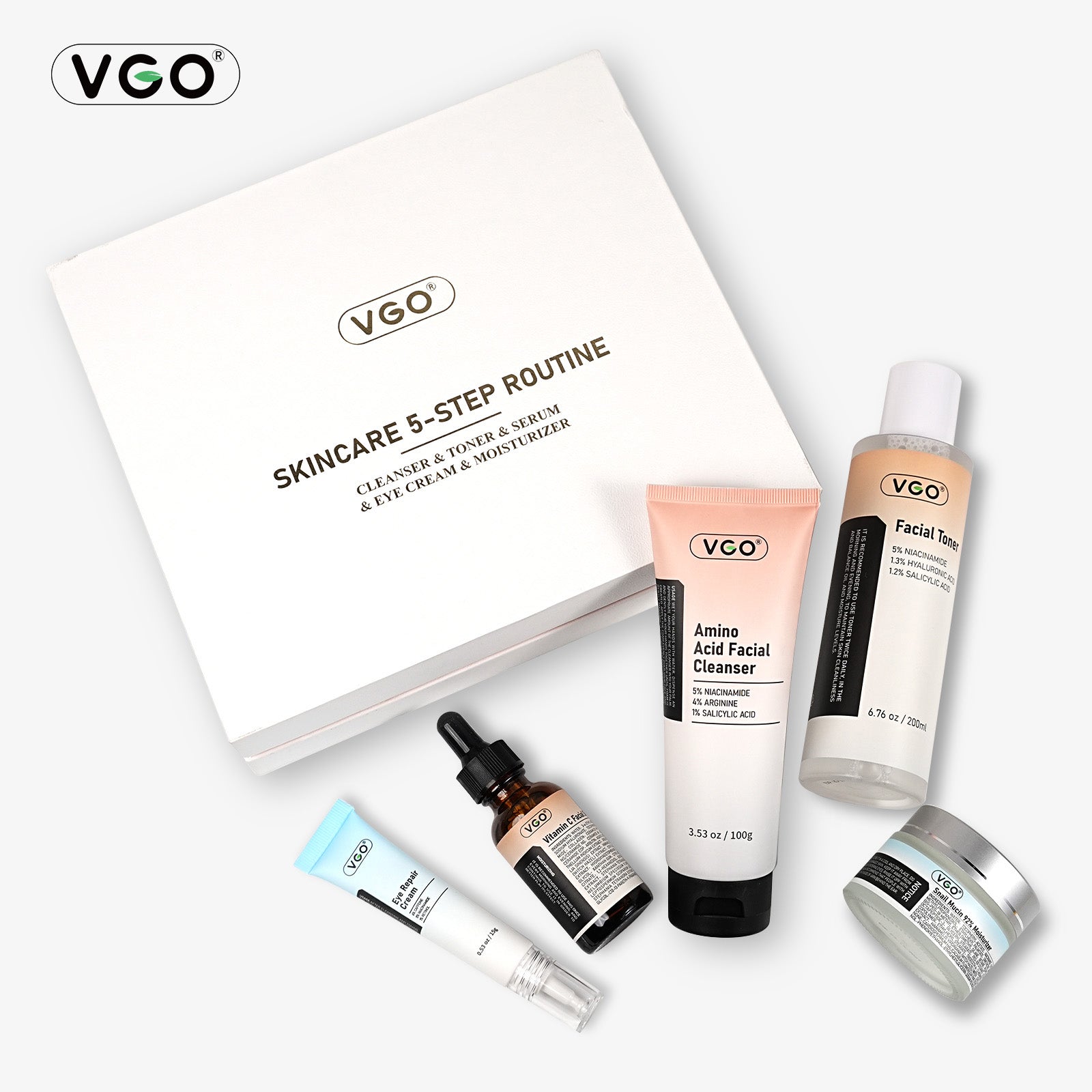
Splendoraskincare built its lineup around the same cleanse, treat, moisturize, protect logic clinical sources recommend, using vegan, cruelty-free formulas with hand-harvested ingredients instead of synthetic filler.
- Cleanser: removes the day’s buildup without stripping lipids.
- Toner or essence: preps skin to absorb the next step more efficiently.
- Serum: delivers concentrated humectants where dry skin needs them most.
- Eye cream: targets the thinnest, most moisture-poor skin on the face.
- Moisturizer: seals everything in, the step most routines shortchange.
The SKINCARE 5-STEP ROUTINE bundles all five in one kit, which sidesteps the guesswork of matching random products from different brands. This is Splendoraskincare’s own editorial recommendation, built from its product line rather than a neutral survey of every brand on the market.
Cream, Lotion, or Ointment: Which Moisturizer Type Actually Works?
Texture is not a cosmetic preference for dry skin, it’s the single biggest lever in how well a moisturizer performs. Lotions are mostly water with a small amount of oil, which makes them light and fast-absorbing but weak against real dehydration. Creams carry more oil relative to water, giving them a heavier feel and noticeably better staying power on cheeks, hands, and anywhere prone to flaking. Ointments sit at the far end: mostly oil, almost no water, and the most effective option for cracked or severely dry patches, though too heavy for most people to wear across the whole face daily.

The American Academy of Dermatology specifically recommends creams or ointments over lotions for intensely dry skin, reserving lotions for normal or combination skin that just needs light upkeep. Oily skin can often stick with a gel-cream hybrid; combination skin might use a lighter lotion on the T-zone and a richer cream on the cheeks; sensitive skin should prioritize fragrance-free formulas regardless of texture.
Timing changes the outcome as much as the product itself. Applying any of these three textures to skin that’s still slightly damp, right after cleansing or misting, measurably improves how much moisture the product actually traps, according to research on moisturizers and barrier function. Dry skin on completely dry skin is starting from behind before it even absorbs.
What I’d Actually Try for 30 Days
Consistency beats complexity here. Pick one routine, apply moisturizer to damp skin every time, and track flaking and comfort daily rather than judging results after one use.
By week two, expect less tightness after cleansing. By week four, flaking should be minimal if you’ve kept the routine simple and patch-tested new products. Whole-body hydration matters too. The Sleep Foundation notes that steady daytime fluid intake, tapered off a couple hours before bed, supports skin along with sleep. Change one variable at a time so you actually know what’s working.
— Cyril
Start Your Hydrating Routine With a Kit Built for It
An advantage over piecing together five different brands is a single cruelty-free, vegan kit that follows the cleanse, treat, moisturize sequence this article just walked through, so there’s no guessing whether a serum and moisturizer from two different companies actually work together.
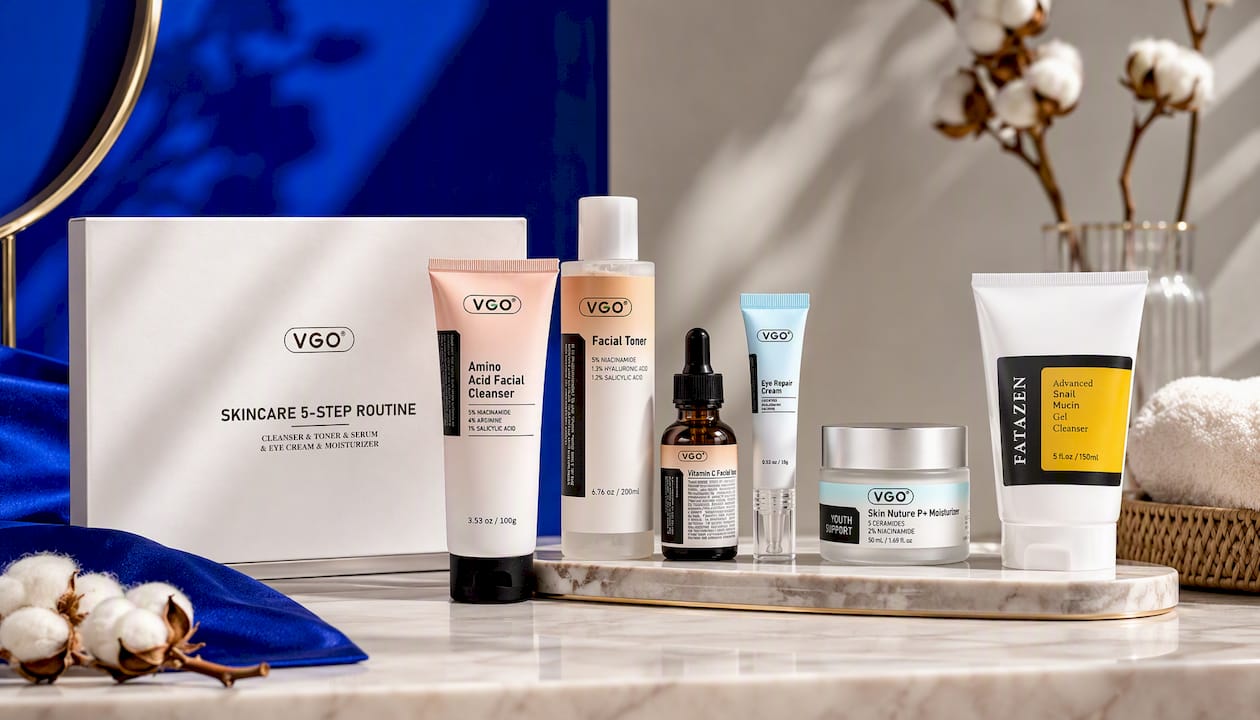
The SKINCARE 5-STEP ROUTINE is the fastest way to put everything above into practice without assembling it product by product. If you’d rather start with fewer items, the Facial Skin Moisturizing Lotion for Delicate Skin covers the daily sealing step on its own, and the Deep Cleansing Makeup Remover Hydrating Foam Facial Cleanser handles PM makeup removal without stripping skin dry. Browse the full lineup at Splendoraskincare and pick the starting point that matches where your routine currently has the biggest gap.
Sources
- American Academy of Dermatology — Dry skin self-care
- NCBI review on skin barrier and moisturizing strategies
- Sleep Foundation — Hydration and sleep
FAQ
What Should You Add to a Skincare Routine for Hydration?
Add a humectant serum with hyaluronic acid or glycerin, followed by a ceramide-rich moisturizer applied to damp skin. Those two steps address the two biggest gaps in most dry-skin routines: drawing in water and sealing it.
What Is the 3-Step Skincare Routine for Dry Skin?
The simplest version is cleanse, moisturize, protect: a gentle cleanser, a rich moisturizer applied to damp skin, and sunscreen every morning. Splendoraskincare’s 5-step routine expands this into cleanser, toner, serum, eye cream, and moisturizer for more targeted hydration.
What Is the Rule of 7 in Skincare?
The “rule of 7” suggests waiting about seven minutes between skincare steps to let each product fully absorb before applying the next. In practice, dry skin does fine with a shorter 30 to 60 second pause between layers, especially with lightweight serums.
How Often Should You Moisturize Dry Skin?
Twice daily, morning and night, works for most people with dry skin, with a richer formula at night to support repair while you sleep.
Is a Serum or an Essence Better for Hydration?
A serum delivers a more concentrated dose of active hydrating ingredients like hyaluronic acid, while an essence is lighter and often used as a prep step before serum. For dry or dehydrated skin, serum typically does more of the heavy lifting.